
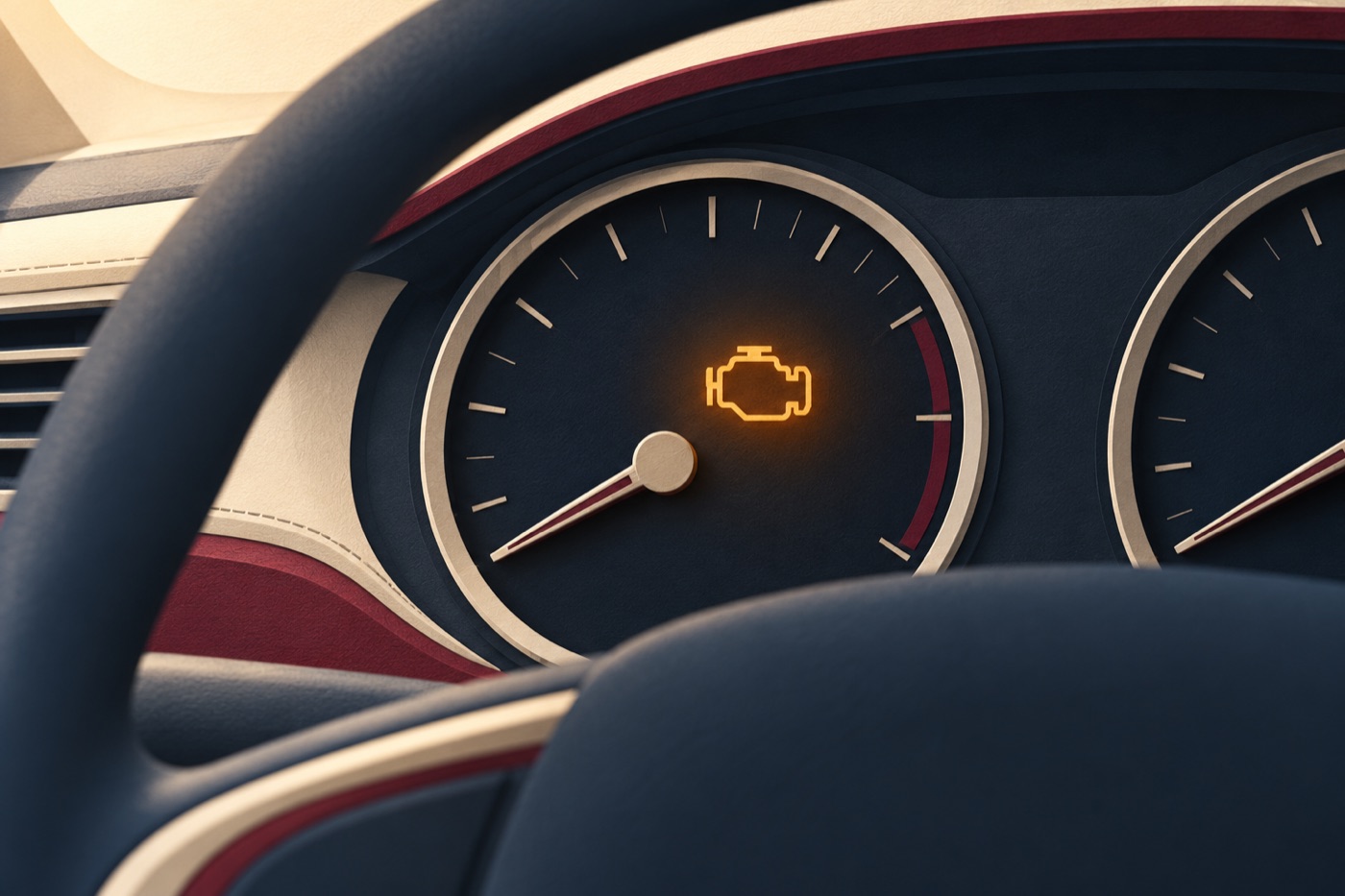
A dashboard light can make a routine errand feel uncertain. Before arranging a smog check, pay attention to the message your vehicle is already giving you.
The light is useful information
The on-board diagnostic system monitors emissions-related operation. When it detects certain problems, it can illuminate the check engine light and store information that helps a repair professional investigate the fault.
Describe what you noticed
When speaking with a repair facility, mention when the light appeared, any recent work and changes in how the vehicle behaves. Avoid deciding which part to replace from a warning icon alone. The same symbol can be associated with different underlying issues.
Clearing a code does not repair the cause
A reset may change what you see on the dashboard without solving the problem. It can also affect the readiness information the inspection uses. Tell the inspection team about recent resets instead of assuming a dark dashboard means the vehicle is ready.
Separate repair advice from inspection questions
Use an appropriate repair facility for diagnosis and emissions-related repairs. Star Smog Check’s test-only visit focuses on the inspection. Call the shop with your vehicle details when you want to confirm what information to bring or whether your test can be performed.
Keep the record together
Save the repair paperwork and inspection report. A short record of what was done and when is more useful than trying to remember it during a later visit. If a warning changes or the vehicle appears unsafe, follow the manufacturer’s guidance and get appropriate help.
Further reading
CARB: On-Board Diagnostic II fact sheet
General educational information. Confirm requirements and testing availability for your own vehicle.